The Ultimate Guide to Being an International Veterinary Volunteer: Everything You Need to Succeed in the Field
- Central Ohio's Programs For Animal Welfare

- 3 days ago
- 5 min read
For many veterinary professionals and animal lovers, the dream of working abroad is fueled by a desire to make a tangible difference in the lives of animals who have no one else to turn to. Whether it’s a street dog in Mexico or a community cat in Aruba, the need for high-quality veterinary care in underserved regions is immense. Stepping into the role of an international veterinary volunteer is one of the most rewarding ways to utilize your skills, but it requires more than just a plane ticket and a stethoscope.
At Global Outreach Programs for Animal Welfare (GO•PAW), we believe that sustainable change happens when passion meets preparation. This guide is designed to help you navigate the complexities of international fieldwork, ensuring that your contribution creates a lasting impact on global animal welfare and public health.
Understanding the Landscape of International Veterinary Care
The world of animal welfare is vast, and the challenges faced in vulnerable communities differ significantly from those in well-funded urban clinics. In many parts of the world, access to a low cost spay neuter clinic is a luxury, not a standard. Overpopulation leads to high rates of abandonment, zoonotic disease transmission, and animal suffering.
Our mission at GO•PAW is to bridge this gap by providing free sterilization and essential veterinary care. When you volunteer internationally, you aren't just treating individual patients; you are participating in a larger movement for pet population control. By implementing systematic TNR clinic (Trap-Neuter-Return) programs and providing free dog vaccinations, we work to stabilize populations and improve the quality of life for both animals and humans.

Who Can Become an International Veterinary Volunteer?
One of the most common misconceptions is that you must be a licensed surgeon to participate in international missions. While licensed veterinarians and veterinary technicians are the backbone of our clinical operations, there is a role for everyone who is committed to the cause.
Licensed Veterinarians: Your expertise is vital for high-volume surgeries in our mobile spay neuter clinic settings and for diagnosing complex cases in the field.
Veterinary Technicians and Nurses: You are the engines of the clinic, managing anesthesia, preparing patients for surgery, and administering parasite treatment for dogs and cats.
Veterinary Students: Missions offer unparalleled hands-on experience under the mentorship of seasoned professionals, allowing you to refine your clinical instincts in resource-limited settings.
Non-Clinical Volunteers: Even without medical training, you can assist with animal recovery, data entry, community outreach, and logistics.
Regardless of your role, the primary requirement is a compassionate heart and the ability to adapt to a fast-paced environment.
The GO•PAW Mission: Impact Through Efficiency
A critical component of succeeding as a volunteer is understanding the financial and logistical framework of the organization you support. At GO•PAW, we have streamlined our operations to ensure that every dollar: and every hour of volunteer time: goes as far as possible.
We operate on a powerful, cost-effective model: just $19 covers a full exam and treatment for one animal. This includes a rabies vaccination clinic for dogs, sterilization surgery, and comprehensive parasite treatment. When you join our team in Mexico or Aruba, you are working within a system designed for maximum outreach. This efficiency allows us to host free dog vaccinations and free cat vaccinations events that reach hundreds of animals in a single weekend.
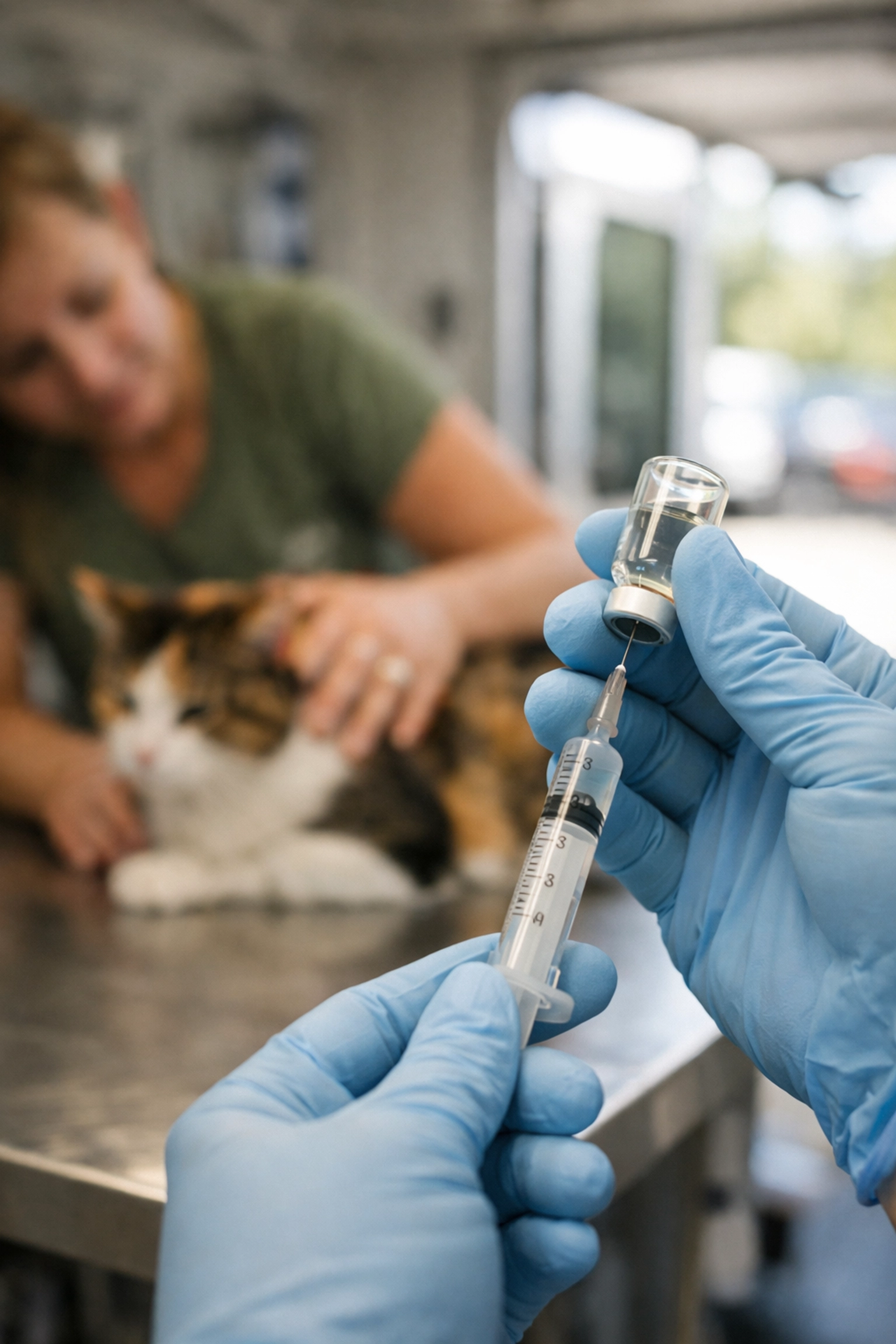
Core Clinical Focuses in the Field
When you are on the ground, your daily tasks will likely revolve around several core pillars of animal welfare:
1. High-Volume Sterilization
Operating a mobile spay neuter clinic is the most effective way to reach remote areas where a brick-and-mortar free spay neuter clinic simply doesn't exist. Volunteers learn the art of "field surgery," maintaining high sterile standards while working in unconventional environments.
2. Disease Prevention (The Power of Vaccines)
In many of the communities we serve, rabies and parvovirus are persistent threats. Organizing a rabies vaccination clinic for dogs is a matter of public health. By providing free dog vaccinations, we protect the animals and the families who live alongside them.
3. Parasite Control
Internal and external parasites can lead to severe anemia, skin infections, and the transmission of tick-borne diseases. Administering parasite treatment for dogs is a quick intervention that yields immediate improvements in an animal's comfort and health.
How to Prepare for Your First Mission
Success in the field is 90% preparation. If you are ready to take the leap and book online for a future project, keep these tips in mind:
Research the Location: Understand the specific challenges of the region. For example, our work in Aruba often focuses on high-density community cat populations, whereas our missions in Mexico may focus more on rural dog populations.
Brush Up on Your Skills: If you haven't performed a certain procedure in a while, or if you're a student looking to help with recovery, review your protocols. Efficiency is key when the waiting line at the free spay neuter clinic is long.
Cultural Sensitivity: Remember that you are a guest in these communities. GO•PAW works closely with local partners to ensure our presence is welcomed and sustainable. Building trust with pet owners is just as important as the medical care we provide.
Health and Safety: Ensure your own vaccinations (including Rabies pre-exposure) are up to date. International fieldwork can be physically demanding, so staying hydrated and rested is essential.

Why Support GO•PAW Even If You Can’t Travel
Not everyone can fly across the world to volunteer, but everyone can play a role in this global outreach. Our ability to provide a low cost spay neuter clinic model is entirely dependent on our donors and partners.
By contributing to our projects, you are directly funding the supplies needed for free cat vaccinations and the fuel for our mobile units. A single donation of $19 might seem small, but in the context of our missions, it represents a life transformed. It represents a mother dog who will no longer have to struggle to feed a litter of puppies she can't support, and it represents a community protected from the threat of rabies.
The Long-Term Impact of Your Work
The life of an international veterinary volunteer is often a whirlwind of long hours and dusty roads, but the long-term impact is profound. Through pet population control, we reduce the number of animals born into a life of suffering. Through our TNR clinic efforts, we stabilize local ecosystems. And through every free dog vaccinations event, we build a wall of immunity that protects entire villages.
When you look back at your time in the field, you won't just remember the surgeries or the treatments; you'll remember the look of relief on a pet owner's face when they realize their beloved companion is finally healthy. You'll remember the resilience of the animals and the strength of the team working beside you.
Join the GO•PAW Family
Are you ready to use your skills for the greater good? Whether you are a veterinarian, a donor, or an advocate, there is a place for you at Global Outreach Programs for Animal Welfare. Together, we can ensure that every animal, regardless of where they were born, has access to the care they deserve.
Check out our blog for more stories from the field, or visit our partner page to see how your organization can get involved. If you’ve already supported us, we invite you to visit our donation thank you page to see the collective impact of our community.
The world needs more compassion, and the animals are waiting. Will you be the one to help?
Comments