The Ultimate Guide to International Veterinary Volunteering: Everything You Need to Succeed in Aruba and Mexico
- Central Ohio's Programs For Animal Welfare

- 21 hours ago
- 5 min read
If you’ve ever scrolled through social media and seen a rescue dog’s transformation, or felt your heart tug at the sight of a stray kitten in a tropical paradise, you’ve likely felt the "call." For veterinary professionals and animal lovers alike, that call often leads to one incredible path: becoming an international veterinary volunteer.
At Global Outreach Programs for Animal Welfare (GO•PAW), we see that passion every day. Our missions in Aruba and Mexico aren't just about travel; they’re about systemic change. Whether you’re a seasoned surgeon or a dedicated animal advocate, volunteering abroad is a life-changing experience that requires equal parts heart and preparation.
In this guide, we’ll walk you through what it’s really like on the ground, the impact of our programs, and how you can help us tackle pet population control in some of the world's most vulnerable communities.
The Reality on the Ground: Why We’re in Aruba and Mexico
Aruba and Mexico are stunning destinations, but behind the tourist resorts lies a significant challenge with stray animal populations. Lack of access to affordable veterinary care has led to thousands of animals living on the streets, facing hunger, disease, and the constant cycle of reproduction.
Our mission at GO•PAW is to provide free sterilization and essential veterinary care to these animals. By operating a mobile spay neuter clinic, we can reach remote villages and underserved neighborhoods where traditional clinics simply don't exist.
As an international veterinary volunteer, you aren't just a visitor; you are a lifeline. You’ll be part of a team that provides free dog vaccinations, treats painful skin conditions, and performs life-saving surgeries.

The Pillars of Our Outreach
To truly make a dent in the stray population crisis, we focus on three main areas: sterilization, vaccination, and education.
1. Free Spay Neuter Clinics and TNR
The most effective way to reduce the number of animals suffering on the streets is through aggressive sterilization. We host free spay neuter clinic events where we provide high-volume surgery for both owned pets and street animals.
In many areas, we also implement a TNR clinic model (Trap-Neuter-Return). This is specifically for community cats who are unowned but cared for by locals. By sterilizing these colonies, we stop the exponential growth of the population while allowing the existing cats to live out their lives without the stress of constant breeding. You can learn more about this approach in our post on why a TNR clinic will change the way you think about pet population control.
2. Comprehensive Preventative Care
Surgery is only half the battle. Many animals arrive at our clinics with preventable diseases. Every animal we see receives a full exam and treatment: all for just $19 in donor funding. This includes:
Free dog vaccinations (DAPP/Parvo)
Free cat vaccinations (FVRCP)
Rabies vaccination clinic for dogs and cats to prevent zoonotic disease spread
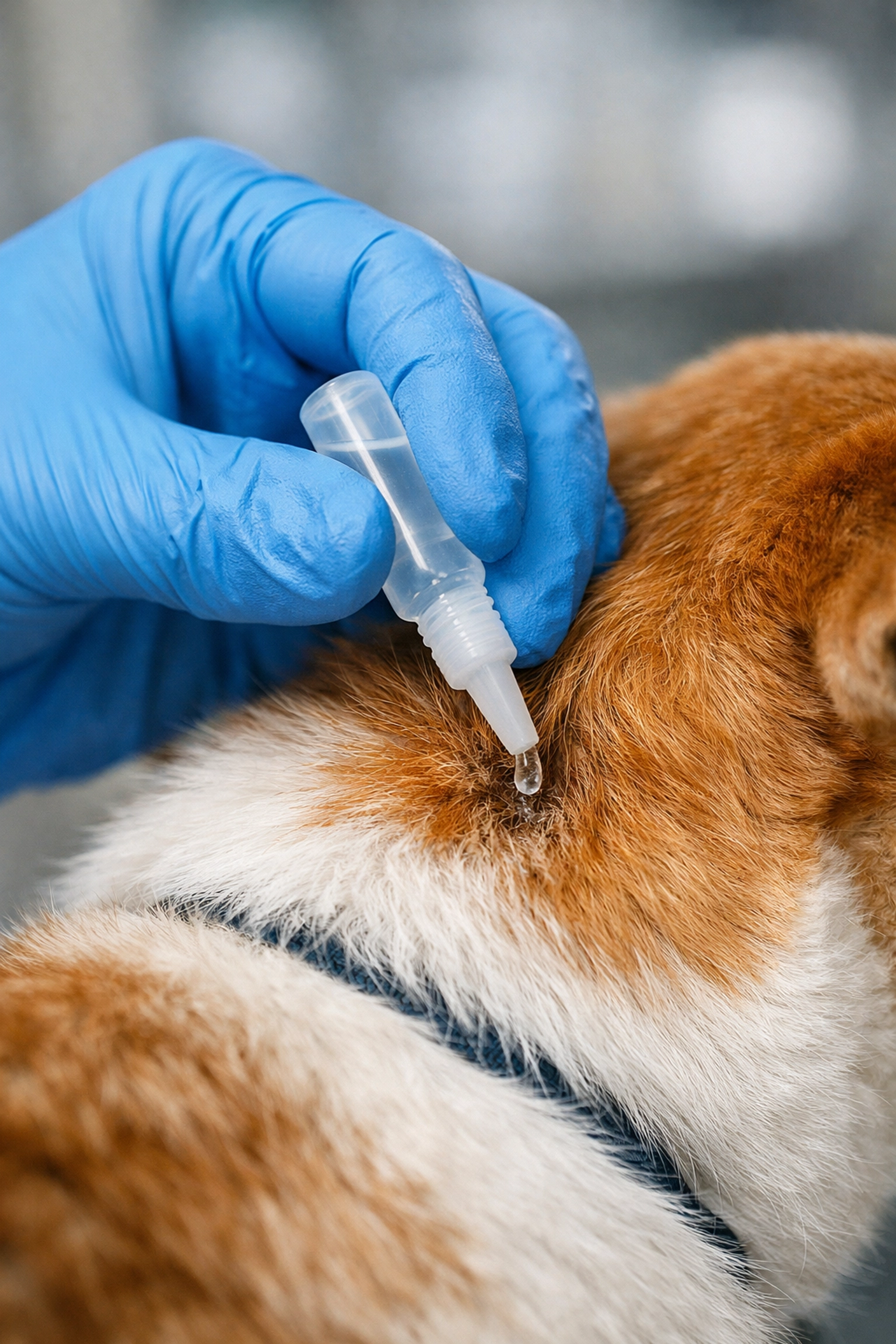
Parasite treatment for dogs (targeting heartworm, fleas, ticks, and intestinal worms)
3. Accessible Care for All
While our focus is on providing 100% free care to those with nothing, we also help bridge the gap for families who can only afford a small amount. By supporting a low cost spay neuter model in certain regions, we ensure that pet owners can take pride in caring for their animals without choosing between pet health and their own groceries.
A Day in the Life of a Volunteer
What does a typical day look like in one of our Mexico or Aruba missions? It’s fast-paced, emotional, and incredibly rewarding.
Morning: We set up the mobile spay neuter clinic in a community center or a temporary tent. Local residents are often already lined up with their pets in cardboard boxes, laundry baskets, or on makeshift leashes.
Mid-Day: The "MASH" style clinic is in full swing. One team handles intake and weights, another manages anesthesia, and our surgeons work efficiently through the roster. Volunteers assist by monitoring recovering animals, administering free cat vaccinations, and applying parasite treatment for dogs.
Afternoon: This is often the time for education. We talk to pet owners about why a rabies vaccination clinic for dogs is vital for their family's safety and provide instructions on post-operative care.

Essential Skills for the International Veterinary Volunteer
You don't need to be a vet to make a difference, but you do need the right mindset.
Adaptability: Resources in the field can be limited. You’ll learn to work with what you have, always maintaining the highest standard of care possible.
Compassion: You will see animals in tough conditions. Staying focused on the solution: like providing free dog vaccinations to prevent future outbreaks: is key.
Communication: In Mexico, a little bit of Spanish goes a long way. In Aruba, you’ll encounter Papiamento, Dutch, and English. A smile and a helping hand are universal.
Resilience: The days are long and the weather can be hot, but the "thank yous" from the community make it all worth it.
The "$19 Impact": How We Fuel the Mission
People often ask us, "How can you provide all those services for free?" The answer is simple: efficiency and donor support.
We’ve calculated that for just $19, we can cover a full exam and comprehensive treatment for one animal. This includes the cost of the surgery supplies, the rabies vaccination clinic for dogs requirements, and the parasite treatment for dogs. It’s a small amount that creates a massive ripple effect in the community. When you volunteer or donate, you are literally buying a second chance for a stray animal.
For more on how we stretch every dollar, check out our mission breakdown: The GO•PAW Mission.
Preparing for Your Mission: A Checklist
If you’re ready to join us in Aruba or Mexico, here’s how to prepare:
Check Your Credentials: If you are a vet or tech, ensure your license is up to date. If you're a general volunteer, look into our projects to see where your skills fit best.
Health First: Ensure your own vaccinations are current. We spend a lot of time around animals, so being protected is part of the job.
Pack Light, Pack Right: Bring breathable clothing, sturdy closed-toe shoes, and plenty of sunscreen.
Educate Yourself: Read up on the specific needs of the region. For instance, in Mexico, the prevalence of transmissible venereal tumors (TVT) is high, making our free spay neuter clinic work even more urgent.
Why This Work Matters
International volunteering isn't just about the animals we treat today; it’s about the thousands of births we prevent for tomorrow. By focusing on pet population control, we are slowly but surely ending the cycle of suffering. Every free cat vaccination administered and every dog that passes through our mobile spay neuter clinic is a step toward a world where every pet is wanted, healthy, and safe.
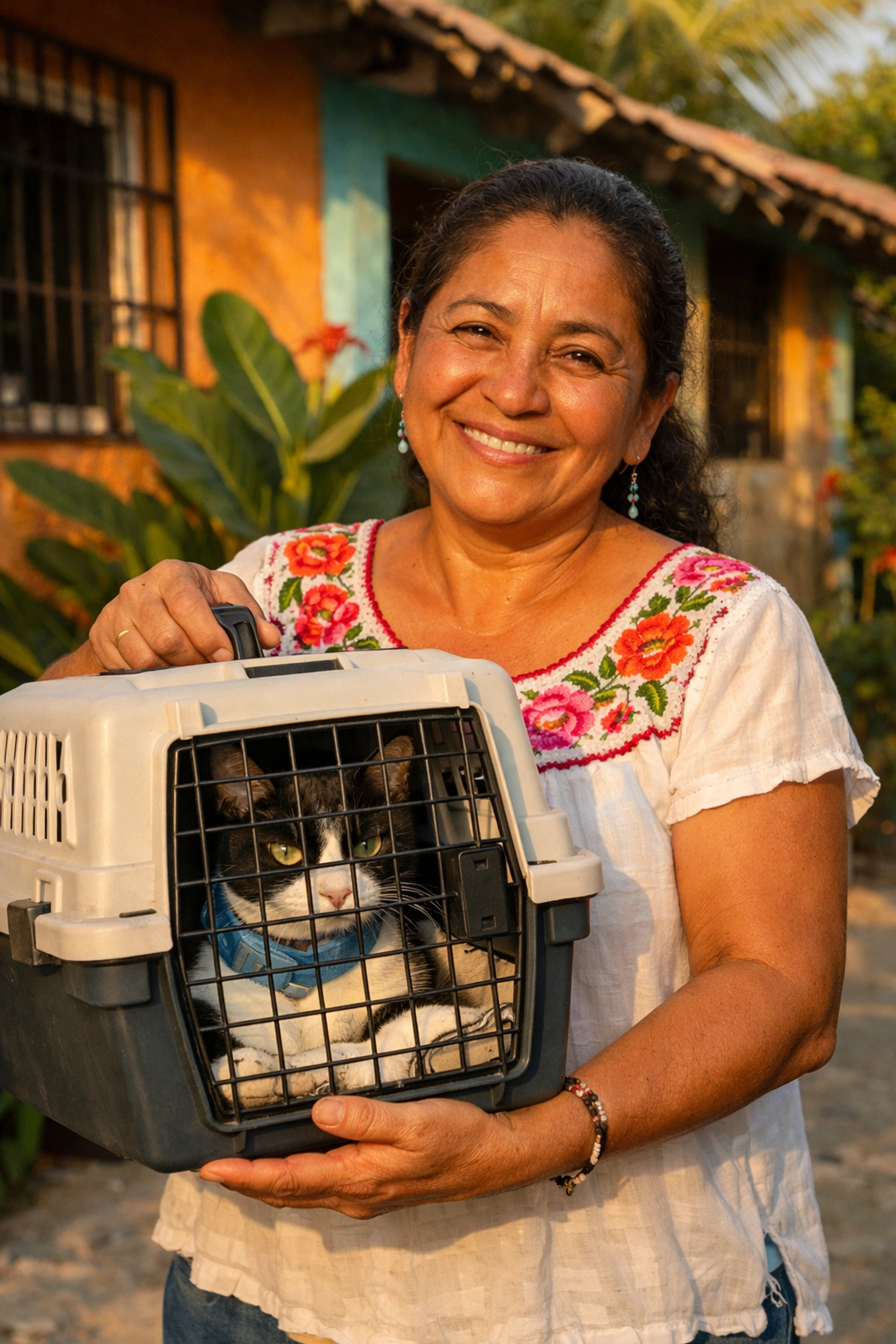
If you’re not able to travel with us just yet, you can still be a part of the team. Your support allows us to keep our low cost spay neuter and free clinics running year-round. Every $19 counts.
Join the GO•PAW Family
Are you ready to use your skills for good? Whether you’re interested in a TNR clinic in Aruba or a rabies vaccination clinic for dogs in the heart of Mexico, we have a place for you.
Being an international veterinary volunteer is more than just a line on a resume; it’s a commitment to global animal welfare. It’s about the wagging tail of a dog that finally feels better after parasite treatment, and the relief on a pet owner's face when they realize they can finally get their beloved cat fixed for free.
Ready to take the first step? Book your spot or learn more about our upcoming missions here.
Together, we can change the world: one paw at a time. For more information on why we do what we do, visit our About Us page or see the results of our work on our Projects page.
Quick Links for Supporters:
Want to help fund a clinic? Donate here.
Need to see our schedule? Visit our sitemap.
Are you a vet professional looking to partner? Let’s talk.
Comments